
Heatwave periods
Best practices during the hottest part of summer.
During the hottest part of summer, when temperatures can frequently exceed 30°C.
The goal is to stay below 40°C in the greenhouse, with water at 27°C maximum.
These extreme temperature conditions can affect your ecosystem, especially during the first year of greenhouse operation.
A few adjustments need to be made in the greenhouse so that your crops do not suffer.
Measures to implement
Recommendations
- Check that all roof vents open automatically
- Leave the doors wide open or install insect screens on each doorway
- Check that the air pump / aerator is working in the water
- Fully deploy the cloth while avoiding directly exposed areas. Check that the clips between the two cloths are properly in place
- Remove one or more side panes from the greenhouse
- Plant a flower border along the south side of the greenhouse to shade it
- Check the water level regularly. As the season progresses, the plants draw heavily on the water in the tanks (tomatoes, cucumber, melon).
1. Ventilate the greenhouse
Leave the doors open and check that the automatic roof vents are working properly. As the air is cooler at night, try if possible to maintain ventilation during this period.
To increase greenhouse ventilation, you can also remove one or more side panes from your greenhouse using a glass suction cup.
Avoid exposing electrical equipment (mainly the stove, the spirulina kit and the control boxes).
2. Monitor the fish
Check that the air pumps / aerators are working properly and that the amount of food is sufficient. However, make sure not to overfeed them. Too much food in the water reduces the amount of dissolved oxygen in the water, which is not desirable. It is also important to monitor the pH and regulate it if necessary using pH Down.
For more information on the causes of fish distress or death, please see our dedicated page: Fish deaths
Keep fish suited to these temperatures
3. Control pests and diseases
Heatwaves create favourable conditions for pest development because they involve hot, dry weather. To deal with this, make sure you follow the instructions on our dedicated wiki page.
If pests persist, 2 solutions are then possible
Solution 1Remove the infected vertical growing towers, wash the plants with water to dislodge as many insects as possible, then treat with the appropriate products
Solution 2Get rid of the most heavily infested plants, or the parts of those plants that seem critical.
Additional actions
1. Install a mister
5 sec of operation every 10 min during the day
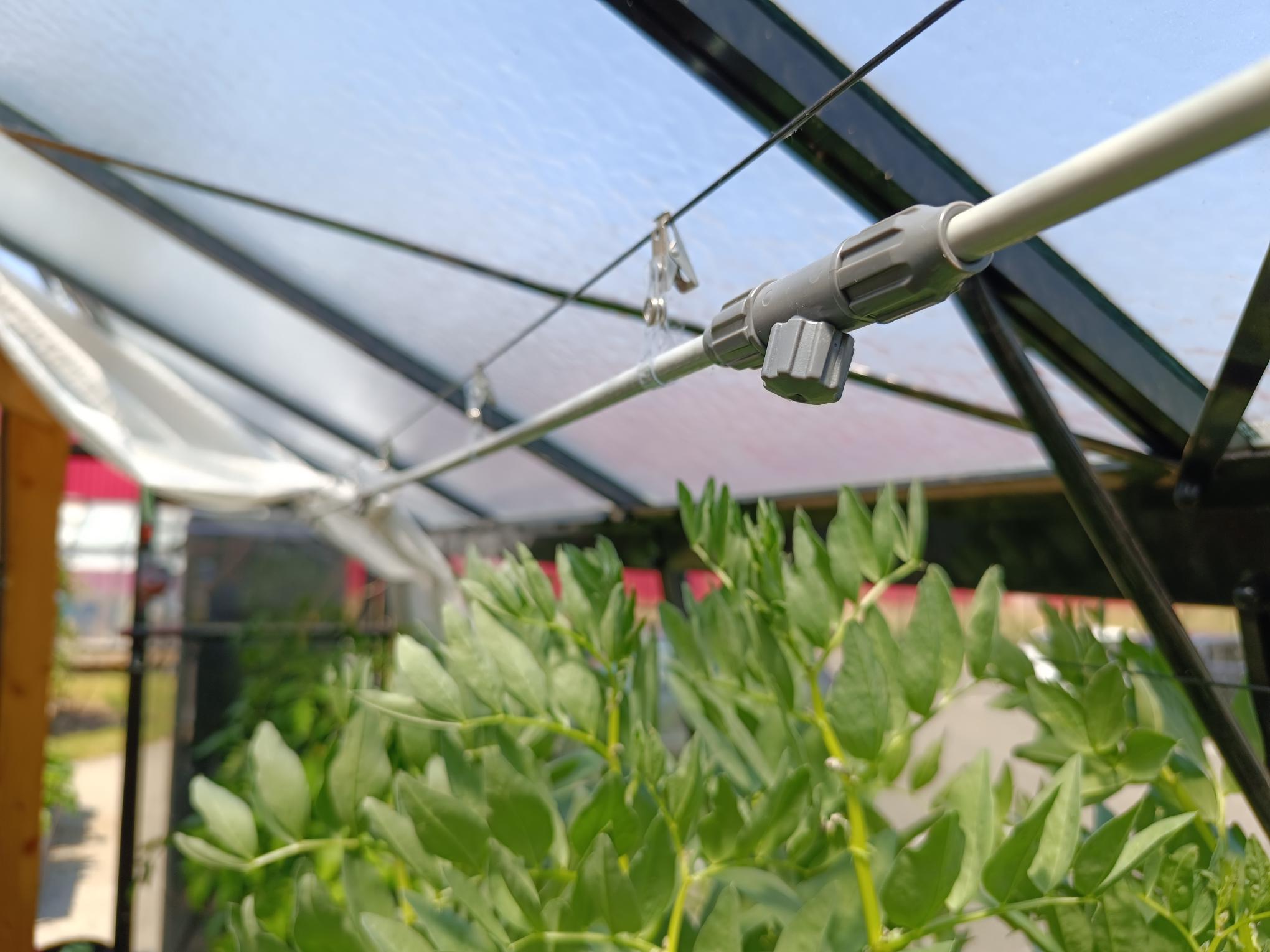
Installation du tuyau du brumisateur au niveau du câble de la toile d'ombrage
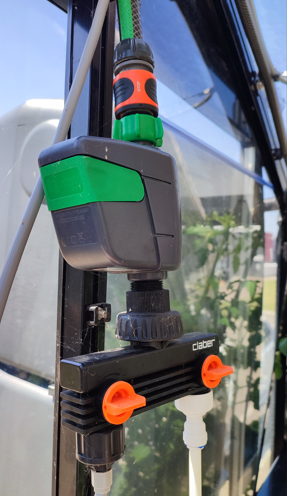
Programmateur d'eau : fonctionnement 5 s toutes les 10 min
When should the mister be turned on?From late May to late August, as soon as the temperature in the greenhouse during the day exceeds 33-35°C.
Benefits of the misterInstalling it helps lower the temperature in the greenhouse and increase humidity, by a few degrees and percentage points respectively.
In addition to providing more favourable growing conditions for the plants, this worsens the development conditions for pests such as thrips and mites, which thrive in hot, dry weather.
2. Install a side shade cloth
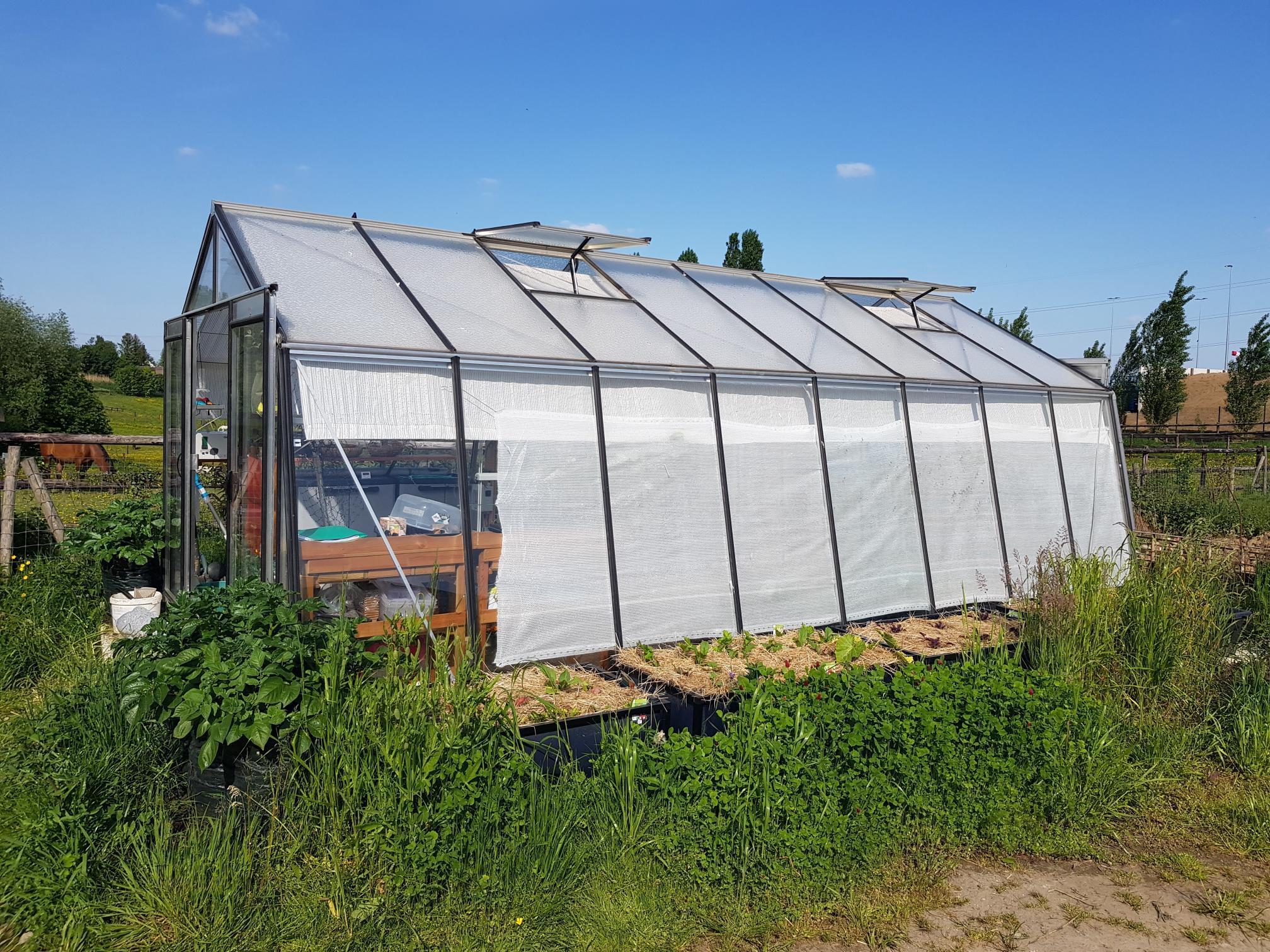
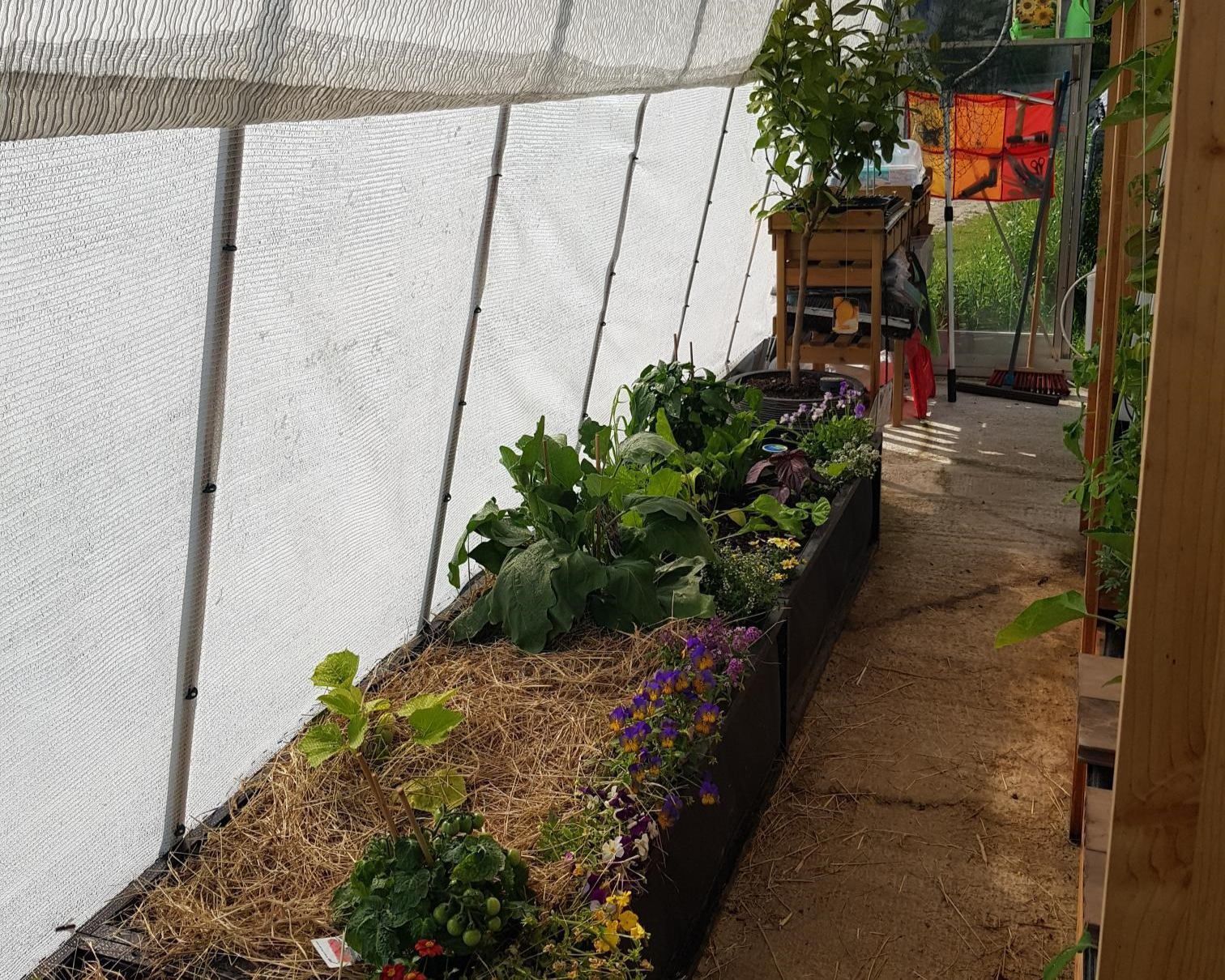
When should the side shade cloth be installed?It can be installed from late May and should be removed at the end of August.
Benefits of the side clothIt helps reduce the amount of light entering the greenhouse during periods of very high heat, reduce the greenhouse effect and thus limit the rise in temperatures.
The cloth must be semi-transparent, not opaque; the plants still need light.